
Many homeowners and property developers want to understand what influences the cost of hiring brickwork professionals. When working with Oxfordshire based Brickwork, Stonework and Flint-work specialists, pricing depends on multiple variables, including material type, project size, labour complexity, access conditions, and required craftsmanship. Understanding these factors helps clients budget confidently while appreciating the value of skilled masonry services.
One of the primary cost factors is the type of material used. Brick, stone, and flint differ significantly in price. Standard bricks are generally more affordable than specialty handmade or heritage-matching bricks. Stonework, particularly natural limestone common in Oxfordshire, costs more due to extraction, transportation, and cutting processes. Flint-work is also more expensive due to the material’s irregular shape and the intricate hand-setting techniques required. Oxfordshire based Brickwork, Stonework and Flint-work specialists help clients choose the most appropriate materials for their budget and project goals.
Project size also plays a major role. Larger projects, such as full home extensions or major boundary walls, require more materials and labour hours, increasing the overall cost. Smaller repairs or small walls naturally cost less. However, even small tasks may become more expensive if they involve detailed craftsmanship or heritage restoration. Specialists ensure that all work—large or small—is completed to high professional standards, which adds long-term value to the property.
Labour complexity affects pricing significantly. Simple bricklaying tasks are less time-consuming and therefore less costly. In contrast, flint-work, stone carving, or decorative brick patterns require specialized techniques that only trained experts can perform. These tasks demand precision and more labour hours. When clients hire Oxfordshire based Brickwork, Stonework and Flint-work specialists, they are paying for years of experience, advanced skill sets, and expert knowledge of heritage construction.
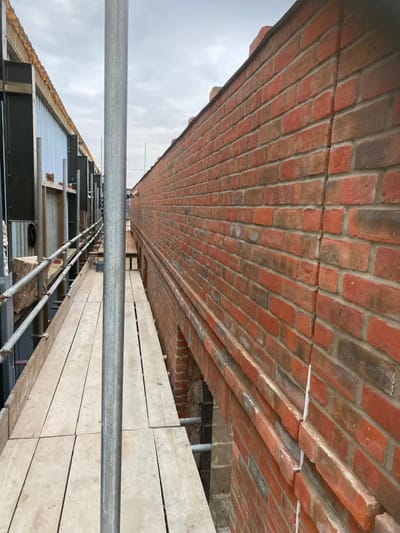
Access to the worksite also influences cost. Limited access areas may require scaffolding, additional labour, or special equipment, increasing overall expenses. Properties located on narrow lanes or protected areas may require additional planning and setup. Specialists evaluate access requirements during the initial survey and include them in the project estimate.
Another major factor is the condition of the existing structure. Older buildings often require extensive preparation, such as removing damaged bricks, reinforcing foundations, or cleaning existing masonry. Heritage properties may need lime mortar repointing instead of modern cement, which increases labour time but preserves structural authenticity. Oxfordshire based Brickwork, Stonework and Flint-work specialists follow strict conservation standards when working on historic buildings, ensuring long-lasting results that comply with local regulations.
Regulatory requirements also impact pricing. Projects in conservation areas or involving listed buildings require planning permission, heritage approvals, and sometimes supervision from conservation officers. Meeting these requirements takes time and may slow the construction process, adding to labour costs. However, specialists familiar with Oxfordshire’s regulations help clients navigate these processes smoothly, reducing delays and unnecessary expenses.
Additional cost factors include scaffolding needs, waste removal, site preparation, weather protection measures, and project management. High-quality craftsmanship requires careful planning, quality control, and rigorous attention to detail. While this may increase upfront costs, the long-term benefits—durability, aesthetic beauty, and property value—are significant.
In conclusion, the cost of hiring an Oxfordshire brickwork provider depends on materials, project size, complexity, access, structural condition, and regulatory requirements. Clients investing in Oxfordshire based Brickwork, Stonework and Flint-work specialists receive exceptional value through expert craftsmanship, durable results, and materials tailored to Oxfordshire’s unique architectural heritage.